
Rib Pain: Why It Happens and Why We Treat More Than Just the Ribs
Rib pain is rarely just a rib problem. It often comes from a mix of the neck, the mid-back, the rib joints, the surrounding muscles and the nerves that run between the ribs. Treating all of these together gives the best and longest-lasting results.
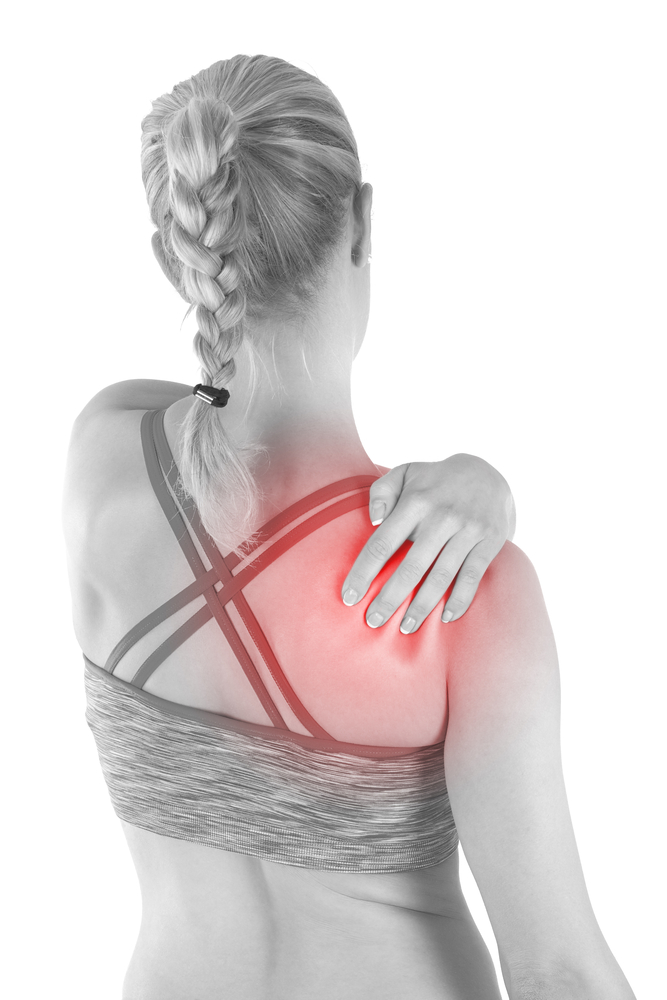
Rib pain can be sharp, catching, or a deep ache that wraps around the chest or sits between the shoulder blades. It might hurt when you take a deep breath, twist, cough, sneeze or roll over in bed. Many people tell us they have had massage or rested for weeks, and the pain keeps coming back. That usually means the true cause has not yet been found.
What structures can cause rib pain?
Each rib connects to the spine at the back and, for most ribs, to the breastbone at the front through cartilage. Muscles attach all over the rib cage, and a nerve runs along the underside of every rib. Any of these can be the source of pain, and often more than one is involved.
The rib joints. Each rib meets the thoracic spine at two small joints, the costovertebral and costotransverse joints. These can become stiff or irritated after a twist, a lift, a fall or a long spell of poor posture. Pain is often felt close to the spine and can spread around the side of the chest. At the front, the cartilage that joins the ribs to the breastbone can become inflamed, a condition known as costochondritis.
The thoracic spine (mid-back). The small facet joints of the mid-back move with every breath and every turn of the body. When a segment stops moving well, the ribs attached to it have to work harder, and the area becomes sensitive. Stiffness here is one of the most common drivers of recurring rib pain.
The neck. The neck is often overlooked, yet it plays a big part. The lower neck can refer pain into the upper back, shoulder blade and upper ribs. The scalene muscles in the side of the neck attach directly to the first and second ribs, so tension or poor neck control can pull on the upper rib cage. The nerves that supply many of the muscles around the shoulder blade and chest wall also start in the neck.
The surrounding muscles. The intercostal muscles between the ribs, serratus anterior, the rhomboids, the latissimus dorsi, pectoralis minor and the obliques all attach to the ribs. Strains, overload in sport, or long periods of guarding and shallow breathing can leave these muscles tight and painful. Over time they also change how the rib cage moves.
The nerves. An intercostal nerve runs under each rib from the spine to the front of the chest. If it becomes irritated where it leaves the spine, or squeezed by stiff joints and tight muscles, it can cause sharp, burning or band-like pain around the chest wall. This is sometimes called intercostal neuralgia. Nerve tissue needs room to glide, and restoring that movement is an important part of treatment.
Why treating only the sore spot often fails
The place that hurts is not always the place that is causing the problem. If only the painful rib is treated, the relief often lasts a few days before the pain returns. The stiff neck, the locked mid-back segment or the poor movement pattern is still there, so the rib keeps getting overloaded.
How we treat rib pain at Burton Clinic
At Burton Clinic we look at why the problem developed, not just where it hurts. Our assessment checks the neck, thoracic spine, ribs, surrounding muscles and nerves, along with your breathing pattern, posture and the way you move in work, sport and daily life. Treatment is then built around what we find and may include:
- Neck treatment to restore movement and reduce tension in the muscles that pull on the upper ribs
- Thoracic spine and rib joint mobilisation to get stiff segments moving freely again
- Soft tissue work on the intercostals, scalenes, serratus anterior and other muscles around the rib cage
- Nerve mobility techniques to help irritated intercostal nerves glide and settle
- Breathing retraining so the rib cage expands fully and evenly
- Targeted exercise in our fantastic gym space to build strength, control and mobility through the neck, mid-back and shoulder blades, so the problem is less likely to return
By correcting the movement dysfunction behind the pain, we aim for lasting change rather than a short-term fix.
When to seek medical help first
Most rib pain is musculoskeletal and responds well to physiotherapy. However, chest pain can sometimes have other causes. Call 999 if you have chest pain with breathlessness, sweating, nausea, or pain spreading into the arm, jaw or neck.
Speak to your GP before starting treatment if you have:
- A fall or impact where a rib fracture is possible
- A fever, persistent cough or difficulty breathing
- A rash along the line of the pain, which can be a sign of shingles
- Unexplained weight loss, or a past history of cancer
- Constant pain that does not change with movement or position, or that wakes you at night
Struggling with rib pain?
If rib pain keeps coming back, or rest and massage have not solved it, we can help you find the real cause and fix it. Book an appointment at Burton Clinic, Lodge Farm Barns, Bawburgh, Norwich, or call us on 01603 210933.
Not sure if we are right for you? Book a free discovery call and we will talk through your symptoms and the best next steps.
Chris Burton MCSP, HCPC, MSc, BSc, Clinical Director, Burton Clinic