

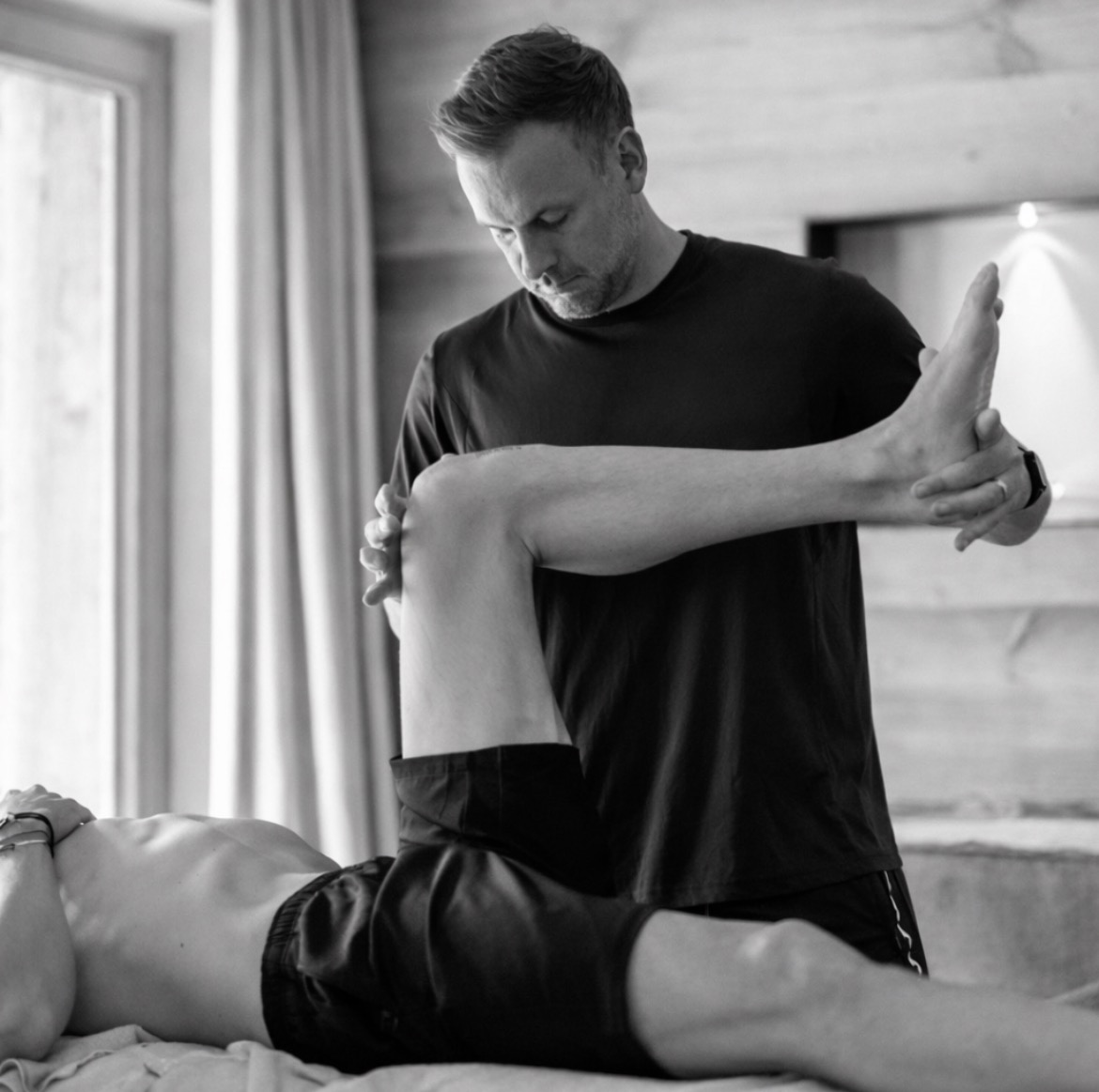
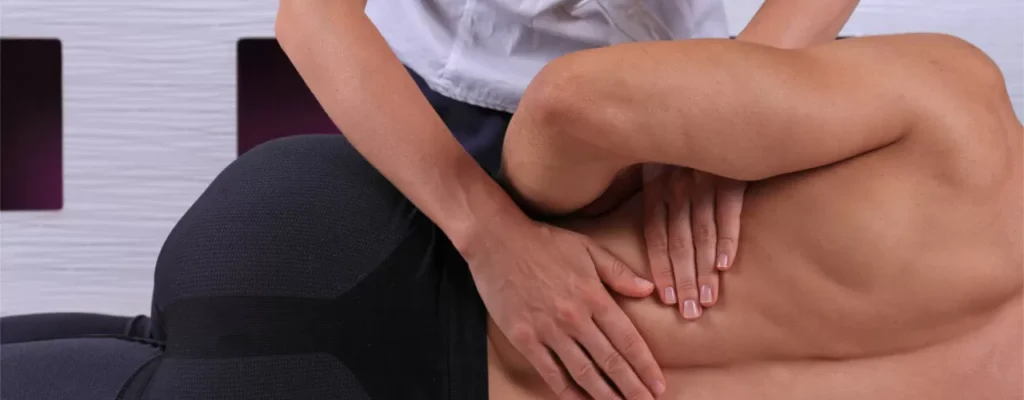
Advanced manual therapy can help your pain by addressing how your joints, muscles, nerves, and connective tissues move and interact, we don’t just treat where it hurts. Here’s a quick breakdown of how it helps and why people often feel pain relief, sometimes quickly, in some cases sometimes more gradually
How Advanced Manual Therapy Helps Pain
1. Restores Normal Movement
Pain often comes from restricted or abnormal movement in joints or soft tissues.
Manual therapy techniques can:
- Improve joint mobility
- Reduce stiffness in muscles and fascia
- Restore normal glide between tissues
When movement improves, the body doesn’t need to “guard” with pain signals.
2. Reduces Nervous System Sensitivity
Chronic or persistent pain often involves an overprotective nervous system.
Manual therapy can:
- Calm pain signals from the brain and spinal cord
- Reduce muscle guarding
- Improve your body’s perception of safety and control
This is especially helpful when imaging looks “normal” but pain is still present.
3. Improves Blood Flow and Tissue Health
Hands-on techniques can:
- Increase circulation
- Improve oxygen and nutrient delivery
- Help clear inflammatory byproducts
Healthier tissue = better healing capacity and less pain.
4. Addresses the Root Cause, Not Just Symptoms
Advanced manual therapy isn’t just massage.
It may include:
- Joint mobilization or manipulation
- Myofascial release
- Trigger point therapy
- Neural (nerve) mobilization
- Visceral or scar tissue techniques (when appropriate)
The goal is to treat what’s driving the pain, not just where it shows up.
5. Improves How Your Body Handles Load
Pain often flares when tissues can’t tolerate stress.
Manual therapy:
- Prepares tissues to move better
- Makes exercise and rehab more effective
- Reduces flare-ups during daily activities
This is why it’s often combined with movement-based rehab for long-term results.
What Pain Responds Well to Manual Therapy?
Manual therapy is commonly effective for:
- Neck and back pain
- Shoulder, hip, and knee pain
- Headaches and jaw pain
- Post-surgical stiffness or scar pain
- Nerve-related pain (tingling, burning, radiating pain)
- Chronic pain with movement limitations
What It Can’t Do Alone
Manual therapy:
- Isn’t a permanent fix by itself
- Works best when paired with movement, strengthening, and education
- May take several sessions for chronic or long-standing pain
Think of it as resetting the system so your body can heal and move better.
What You Might Feel After Treatment
- Immediate relief or lightness
- Temporary soreness (like post-exercise soreness)
- Gradual improvement over days
Your therapist will explain what they’re doing and why—and adjust based on your response.
The Burton Clinic Team