

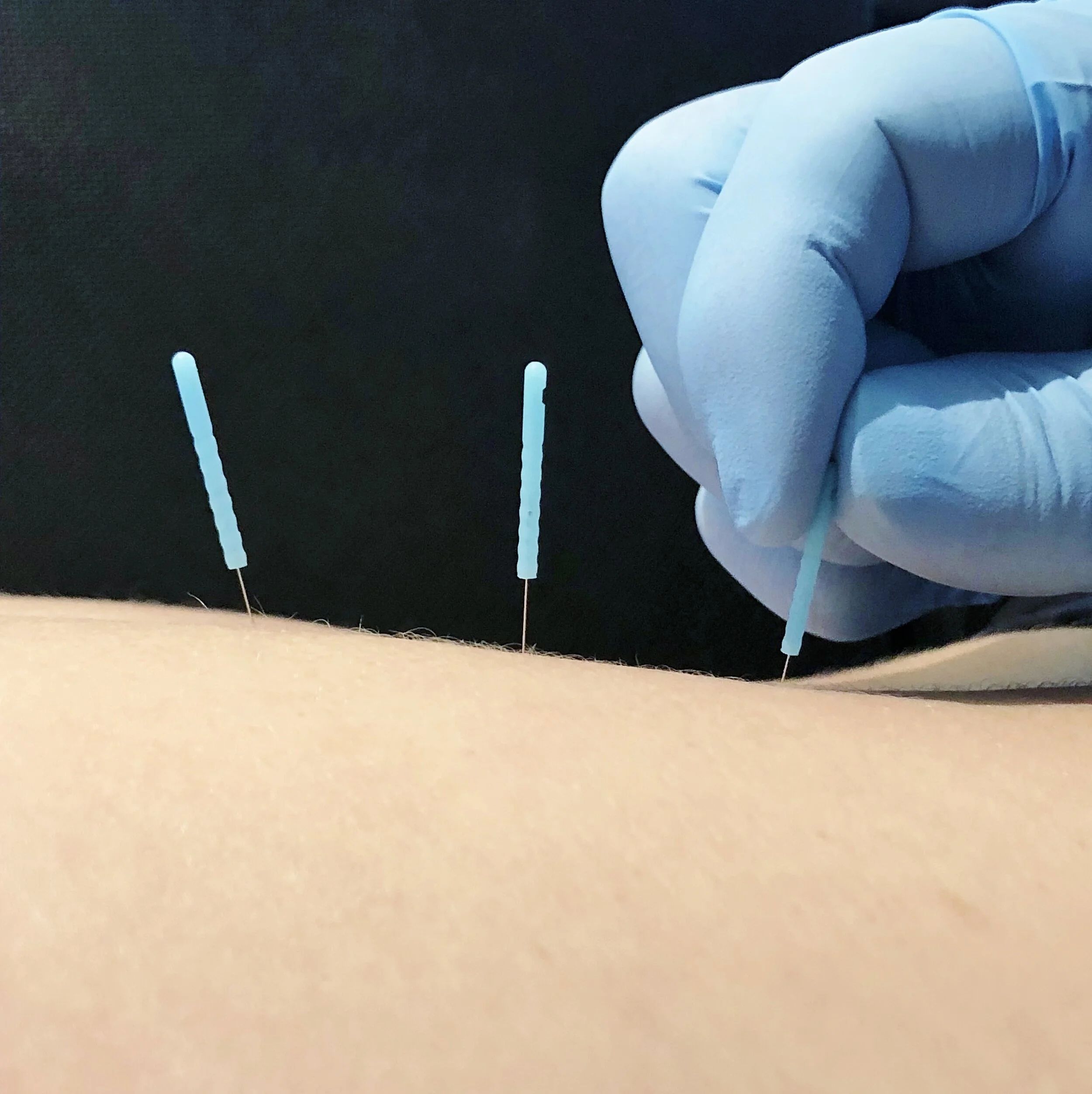

Acupuncture
Acupuncture is thought to help with pain through a mix of neurochemical, neurological, and local tissue effects. While some aspects are still being studied, several well-supported mechanisms explain why many people experience pain relief.
1. Releases the body’s natural painkillers
Acupuncture stimulates the release of endorphins, enkephalins, and dynorphins—the body’s own opioid-like chemicals. These reduce pain perception in the brain and spinal cord, similar to how pain medications work but without drugs.
2. Modulates the nervous system
Needle stimulation activates sensory nerves in the skin and muscles, which:
- Alters how pain signals are transmitted to the brain
- Activates descending pain-inhibiting pathways in the central nervous system
- Reduces “pain amplification” seen in chronic pain conditions
This can calm overactive pain circuits.
3. Reduces inflammation
Acupuncture has been shown to influence immune signaling by:
- Decreasing pro-inflammatory cytokines
- Increasing anti-inflammatory mediators
This is especially relevant for conditions like arthritis, back pain, and tendon pain.
4. Improves blood flow and tissue healing
Needling causes local micro-trauma that:
- Increases blood circulation
- Relaxes tight muscles
- Promotes oxygen and nutrient delivery to injured tissue
This can reduce pain caused by muscle tension or poor circulation.
5. Affects brain pain networks
Brain imaging studies show acupuncture changes activity in areas involved in pain processing, such as the insula, thalamus, and somatosensory cortex, helping reframe how pain is perceived.
6. Placebo and expectation effects
Patient expectation and the therapeutic context do contribute, but research shows acupuncture can produce physiological effects beyond placebo, especially for chronic pain conditions.
What pain conditions respond best?
Evidence is strongest for:
- Chronic low back pain
- Neck pain
- Osteoarthritis (especially knee)
- Tension headaches and migraines
- Myofascial pain
Traditional explanation
In Traditional Chinese Medicine, acupuncture is said to restore the flow of Qi along meridians. While this framework differs from modern biology, many acupuncture points correspond to nerve bundles and connective tissue planes.